Complete Richmond Top Home Architecture Services for Exceptional Results
Transform Your Home With Experienced Architectural Design Support
Advancing a home through expert design consultation involves more than just aesthetics. It involves a deep insight of usable design and local building codes. Partnering with an experienced architect can tackle everyday obstacles while strengthening property value. The process is systematic and exhaustive, guaranteeing that every detail harmonizes with the homeowner's vision. Yet, many homeowners encounter challenges to navigate this journey competently. What steps can they take to cement a successful partnership?
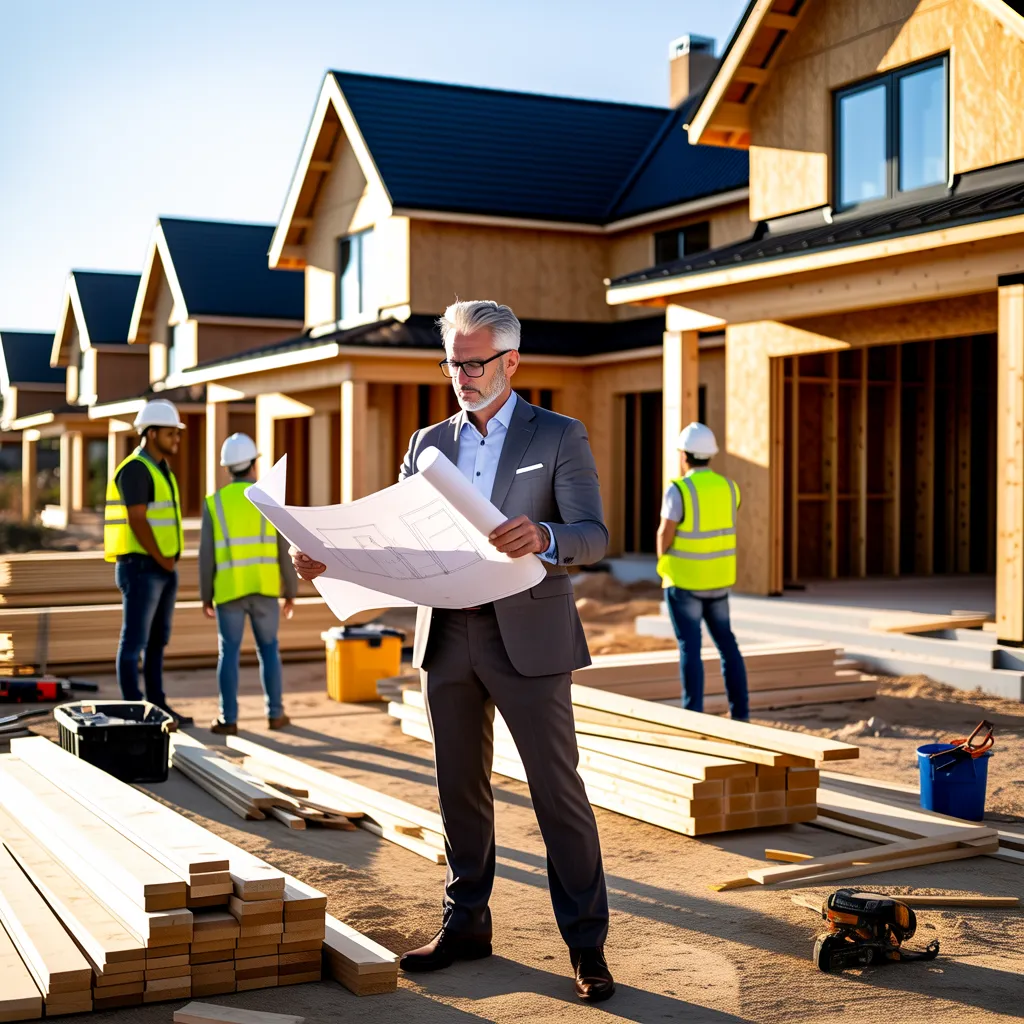
Standard Home Design Complications and Techniques Architects Address Them
What makes home design so challenging for countless homeowners? The complexity of combining aesthetic tastes with functional requirements often overwhelms them. Homeowners regularly struggle with spatial limitations, financial constraints, and regulatory standards, making the design process harder. Additionally, many lack the required expertise needed to manage building considerations and building codes.
Architects play an crucial role in alleviating these challenges. Their training prepares them to manage the complexities of design, ensuring that a homeowner's vision corresponds with realistic realities. Architects can deliver innovative solutions to optimize space while adhering to safety standards. They also assist in creating cohesive designs that reflect the homeowner's style. By providing guidance into resources and construction methods, architects aid streamline the decision-making process. Finally, their knowledge converts a possibly daunting undertaking into a collaborative journey, promoting a balanced corresponding information balance between innovation and feasibility in home design.
Benefits of Working With a Professional Architect
Collaborating with a professional architect elevates the house design journey by merging specialized insight with the owner's goals. Architects contribute a broad range of expertise in design standards, structural codes, and green building techniques, confirming that the development not only achieves visual objectives but also complies with requirements. Their ability to visualize and express complex ideas aids in transforming conceptual notions into concrete plans.
Furthermore, architects can provide innovative solutions to spatial challenges, improving arrangement and usability. They also oversee the intricacies of the building phase, collaborating with contractors and suppliers to ensure schedules and finances are adhered to. This expert supervision minimizes potential errors and decreases the pressure associated with home construction or remodeling. Ultimately, collaborating with an architect produces a thoughtfully crafted, unified space that reflects the homeowner's personality while enhancing overall home worth.
What Are the Important Steps in the Architectural Workflow?
What represents the way the architectural process unfolds from concept to completion? The progression begins with an initial consultation, where the designer and customer discuss objectives, needs, and financial resources. This stage is important for creating a clear vision. Subsequently, the architect conducts site analysis, evaluating aspects like topography, climate, and local codes.
Subsequently, the design work commences. At this stage, sketches and digital models are produced, enabling the client to comprehend the project. Once the design is finalized, the architect drafts detailed construction documents, listing specifications and drawings.
Once necessary permits are obtained, the project moves into the building stage. The architect often works with contractors to guarantee that the design is implemented correctly. Frequent site visits and evaluations help maintain standards and adherence to the initial vision. Finally, the project culminates in a walkthrough, verifying that the finished structure meets the client's requirements before the official transfer.
How Do You Find the Ideal Architect for Your Home?
Locating the perfect designer for a residence involves thorough consideration and research. Potential property buyers should start by determining their specific needs and budget, which will guide their hunt. Recommendations from friends, loved ones, or property professionals can provide valuable connections. Internet portfolios and reviews assist with evaluating an architect's past projects and client contentment.
Next, prospective clients should speak to various candidates to evaluate their manner of speaking, experience, and design approach. It's vital to address project timelines and client expectations to ensure agreement. Moreover, confirming qualifications and reviewing relevant licenses and certifications can prevent future complications.
Ultimately, property owners should listen to their intuition. The best architect should not only display the necessary skills but also complement the homeowner's vision and values. This partnership establishes a collaborative environment, in the end producing a successful partnership in constructing a dream home.
Methods to Articulate Your Vision Proficiently
Effectively conveying a vision for home design is essential for a successful collaboration between homeowners and design professionals. To accomplish this, property owners should start by distinctly outlining their requirements and preferences. Creating a mood board with photographs, hues, and finishes can help expressing aesthetic preferences. Additionally, specifying practical requirements, such as space dimensions and layout, guarantees that the designer comprehends practical elements.
Property owners should also engage in frank discussion, encouraging inquiries and input to improve their direction. Frequent meetings during the design process foster teamwork and openness. Using clear communication to express ideas and concerns can prevent misunderstandings and help align goals.
In conclusion, staying open to the architect's skills facilitates a more dynamic exchange of ideas. By uniting personal vision with professional insight, homeowners can establish a collaborative connection that creates a beautifully designed space expressing their aspirations.
Approach to Controlling expenses for Architectural Consultations
During the initiation of a home design project, setting a budget for architecture services is crucial to avoid monetary difficulty later. Homeowners should begin by investigating typical fees in their area, which can vary based on the project's complexity and the architect's experience. It is recommended to allocate a percentage of the overall project cost specifically for architectural services, typically ranging from 5% to 15%.
Next, clients should evaluate the scope of services essential—whether they seek total design and project administration or merely initial consultations. Having open conversations with potential architects about their fee structures can elucidate financial implications.
Additionally, property owners should account for unexpected expenses and potential revisions, building a buffer into the budget. By explicitly outlining their financial parameters in advance, customers can ensure they pick an design expert who reflects their vision while remaining within their budget constraints.
Regularly Inquired Topics
What Designs of Structural Style Can I Select for My Home?
Homeowners may select from diverse building designs, encompassing modern, traditional, colonial, Mediterranean, and contemporary. Each style delivers distinctive aesthetics and performance, allowing individuals to express personal preference while considering regional influences and environmental factors.
What Timeframe Does the Building Design Process Typically Demand?
The architectural procedure typically takes several months, depending on scope complexity, design approvals, and local ordinances. Components such as stakeholder input and construction schedules can also shape the timeframe substantially across the duration.
Can Architects Lend expertise To Sustainable Design Choices?
Architects can clearly support with sustainable design options. They incorporate eco-friendly materials, energy-efficient systems, and creative designs, guaranteeing projects minimize environmental impact while boosting functionality and aesthetic appeal, matching with clients' sustainability goals effectively.
What Requirements Should I Seek When Hiring an Architect?
When appointing an architectural professional, one should factor in their formal training, professional standing, experience in relevant projects, compilation of work displaying their design approach, and awareness of local regulations. Communication skills and client testimonials also play key roles in the selection decision.
In What Manner Do Architects Deal With Zoning and Permit Matters?
Architects manage zoning and permit issues by conducting thorough research on local regulations, assembling required paperwork, and working with municipal authorities. Their proficiency guarantees compliance, expediting the approval process for customer developments effectively.